 English
 中文語言
中文語言
 Việt Nam

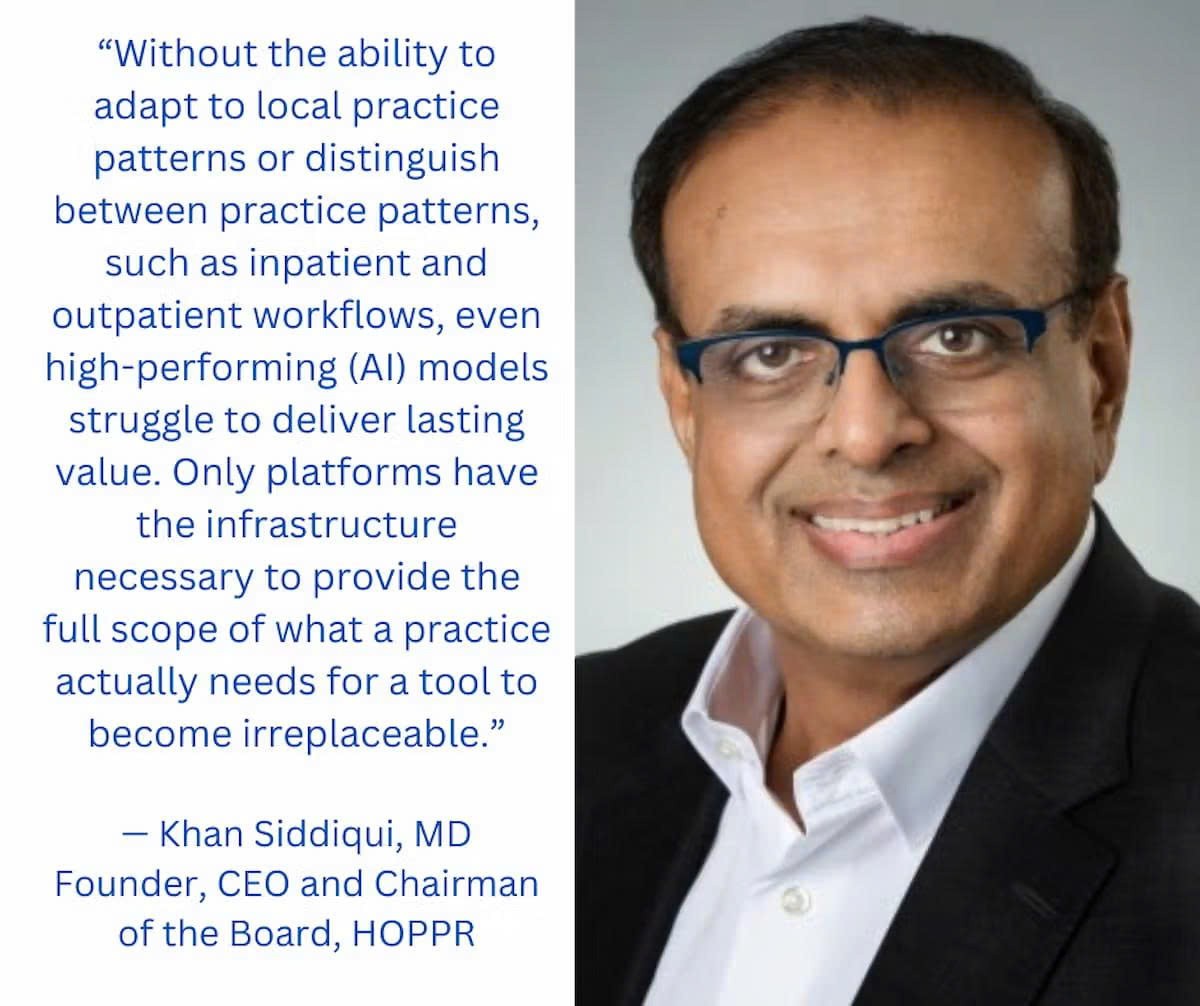
AI Is Moving Beyond Detection
Radiologists are already highly efficient at identifying abnormalities in medical images.
The real challenge lies in:
- Growing imaging volumes
- Administrative burden
- Reporting workload
- Radiologist burnout
As a result, next-generation AI is expected to help with:
- Workflow automation
- Prior exam summarization
- Report generation
- Clinical data integration
- Operational efficiency
Rather than replacing radiologists, AI is becoming an intelligent clinical assistant.
Key AI Trends for 2026
1. Foundation Models Are Emerging
AI systems are evolving into multimodal platforms capable of understanding:
- Medical images
- Clinical reports
- Patient history
- Contextual information
2. Workflow Matters More Than Accuracy
Technical performance alone is no longer enough. Successful AI must integrate naturally into clinical workflows.
3. Radiologists Need Control
Healthcare AI must remain transparent, customizable, and easy to validate locally.
4. Trust and Governance Are Critical
Future AI systems will require:
- Strong validation
- Data security
- Bias reduction
- Clinical oversight
The Future of Radiology AI
AI is gradually evolving from: “Detection Software” → “Workflow Intelligence”
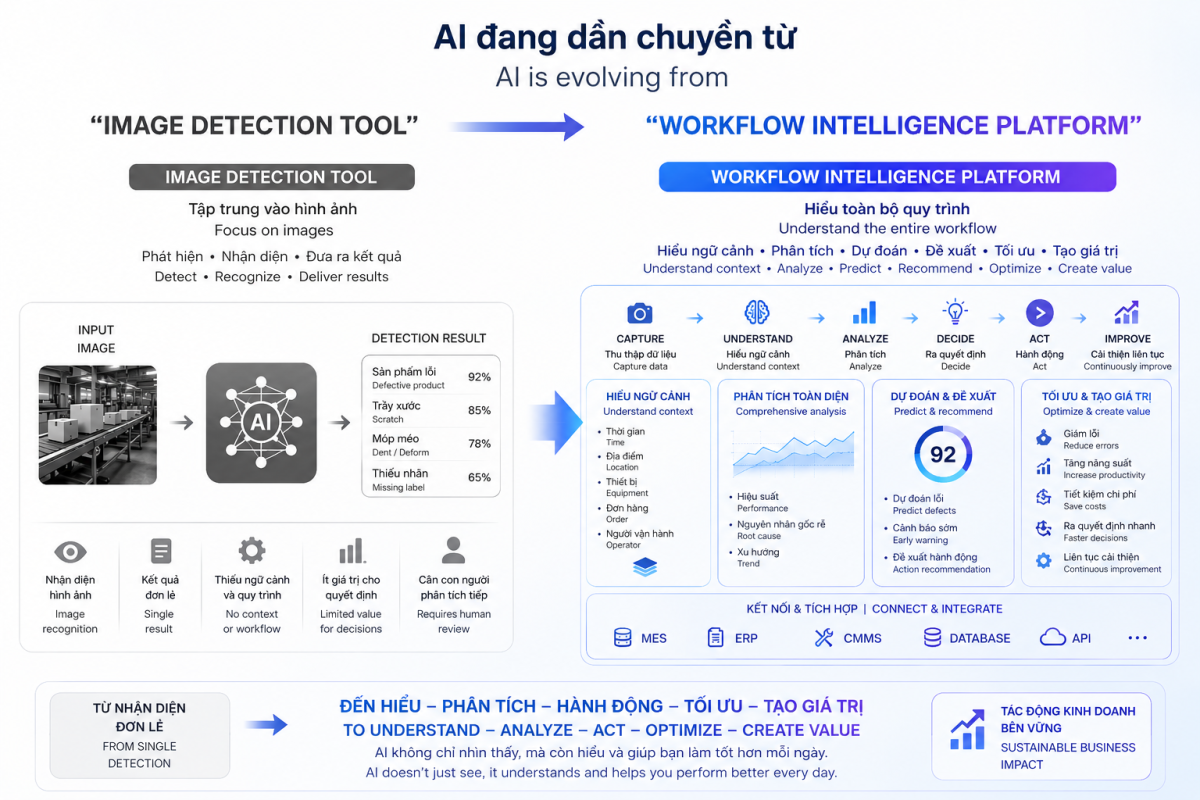
In the coming years, AI is expected to become deeply integrated into:
- PACS platforms
- Enterprise imaging
- Smart hospitals
- Clinical decision support systems
The goal is not to replace radiologists, but to help them work faster, smarter, and more efficiently.
Add New Comment